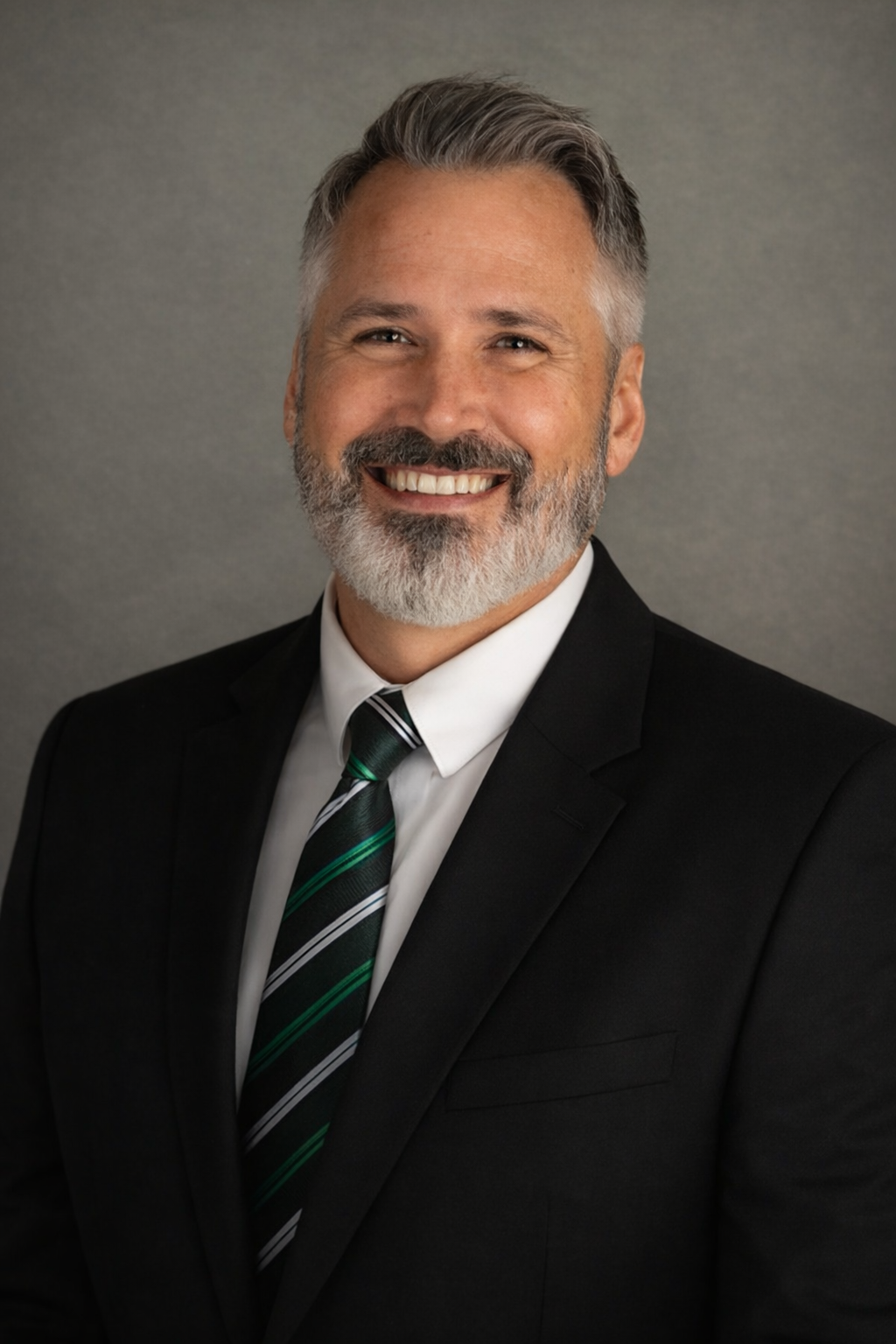
ABOUT
Meet Mike
Mike Hathcock helps business owners, organizational leaders, and growth-stretched teams build healthier, higher-performing cultures.
Through Compass Coaching and Consulting, Mike helps leaders answer one of the most important questions they can ask: What’s it like to be on the other side of me? His work focuses on developing the habits of self-awareness and group awareness that lead to stronger communication, deeper trust, greater ownership, real accountability, and more effective team performance.
Mike’s background spans leadership development, team building, executive coaching, speaking, ministry leadership, entrepreneurship, and operational leadership. Across those settings, one theme has remained constant: helping people grow in clarity, courage, effectiveness, and deliberate leadership.
He brings both relational insight and practical strategy to his work. Mike helps clients identify the blind spots, communication patterns, and team dynamics that may be getting in the way, then helps them take meaningful steps toward healthier leadership and stronger organizational culture.
Whether he is coaching an executive, facilitating a team workshop, leading a retreat, or speaking to a room full of leaders, Mike’s goal is the same: to help people stop leading accidentally and start leading deliberately.
His work is especially valuable for organizations that want to strengthen culture, improve communication, build aligned teams, develop leaders people want to follow, and create environments where others can thrive.
Why Compass Is Different
Compass is built on the belief that healthy leadership starts with the leader but never ends there.
We do not simply help leaders manage tasks, improve productivity, or learn a few communication techniques. We help leaders become more self-aware, emotionally healthy, relationally intelligent, and practically equipped to lead people well.
The goal is not just better leadership behavior. The goal is healthier leaders, stronger teams, and cultures where people can communicate clearly, trust deeply, take ownership, and perform at a higher level.
Our work combines personal coaching, team development, practical tools, assessments, and real-world application so growth becomes more than a good idea. It becomes a new way of leading.
Additional Interests
Beyond his passion for leadership and mountain sports, Mike is a lifelong music enthusiast who loves both listening to and playing music, though he has far more enthusiasm than talent when it comes to the latter. His taste spans eras and genres, with a particular love for jazz, 90s alternative, and The Beatles. Deeply curious by nature, Mike has a voracious appetite for learning, reading, meaningful conversation, and gut-wrenching laughter. Above all, he is profoundly grateful for and deeply devoted to his wife, family, and friends.
FAQS
What is the difference between coaching and consulting?
Coaching helps leaders think clearly, increase self-awareness, and move forward with intentional action. Consulting provides outside perspective, practical tools, and strategic guidance for solving specific leadership, team, or organizational challenges. Many client engagements include both.
Who do you work with?
Compass Coaching and Consulting works with growth-minded leaders and teams who care about both people and performance.
We often work with executives, business owners, managers, ministry leaders, nonprofit leaders, healthcare leaders, emerging leaders, and leadership teams who want to improve communication, strengthen trust, build alignment, develop leaders, and create healthier cultures.
We are especially helpful for organizations that have good people but are experiencing communication breakdowns, leadership gaps, team tension, unclear expectations, or growth that is outpacing their leadership capacity.
How is pricing structured?
Some programs are offered at standard rates, while most engagements are customized based on scope, goals, team size, and duration.
Do you offer a free consultation?
Yes. Initial consultations are free and designed to clarify your challenges, define desired outcomes, and determine the best next step.
How do you measure results?
Success is measured against the goals of the engagement. Depending on the work, that may include behavior change, team feedback, execution metrics, cultural indicators, or other agreed-upon benchmarks.
Do you work in person or virtually?
Both. Many workshops and speaking engagements are in person, while coaching, consulting and some workshops can be delivered either in person or virtually depending on your needs.
What are your terms?
We will set the terms up front.
Duration: The minimum time frame for a contract is 6 months, though most contracts begin with a 12-month duration, which is often just the initial phase. Some contracts are 24 months in duration with a 12-month review. All contracts include a 60-day cancellation clause. The reason contracts are lengthy is because they are ultimately about transformation. Transformation takes time.
Payment: Retainers or Deposits are often engaged depending on the scale of the project. Standard monthly charges are set for autopay.
Certifications