THE CLiMB
THE CLiMB invites you into a journey of growth, reflection, and leadership—offering practical tools to help you live and lead deliberately and influence every arena of life.
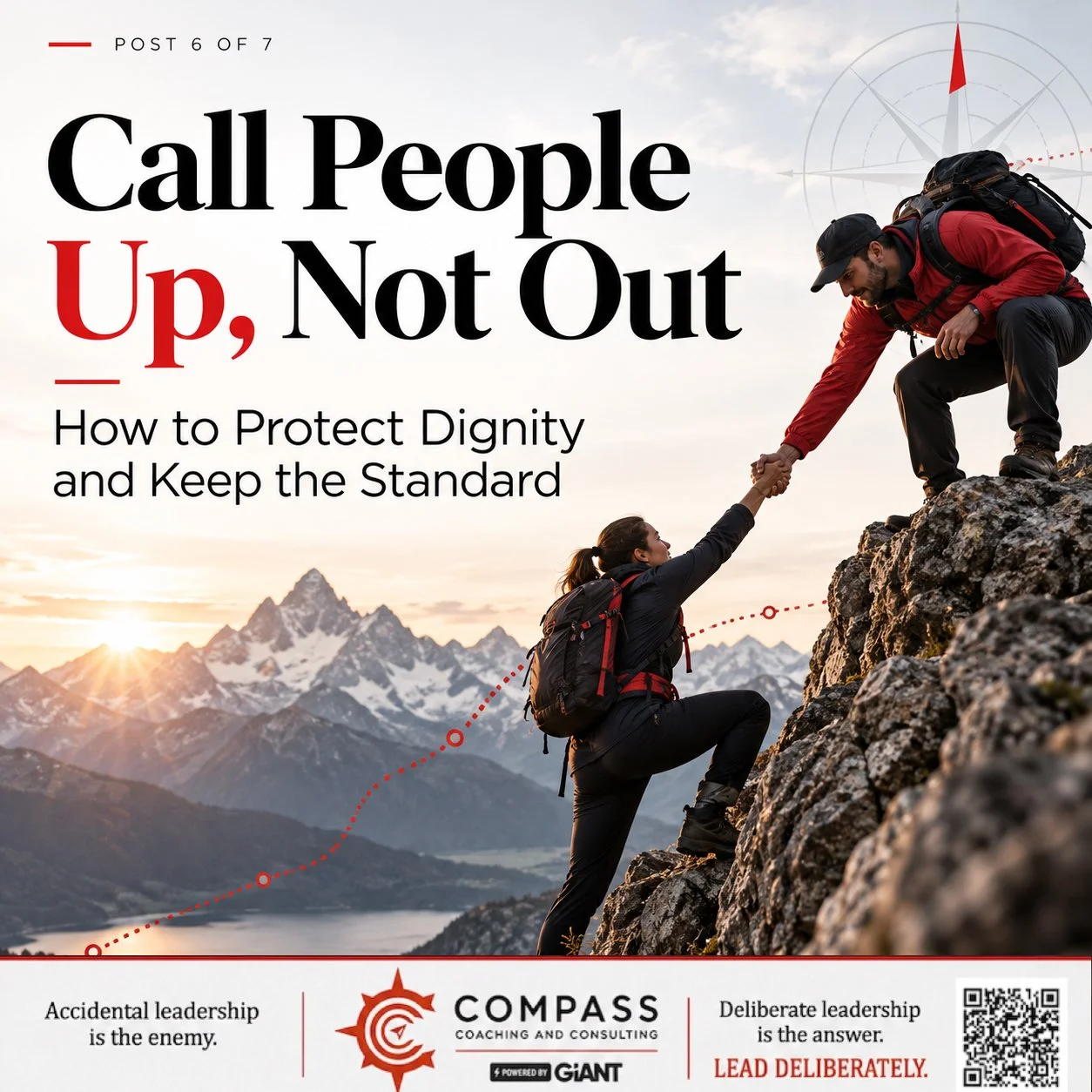
Call People Up, Not Out: How to Protect Dignity and Keep the Standard
Calling people up is not soft. It protects dignity while making the performance gap unmistakable. Deliberate leaders address behavior without attacking identity—holding people accountable to the standard while coaching them toward their next, better move.
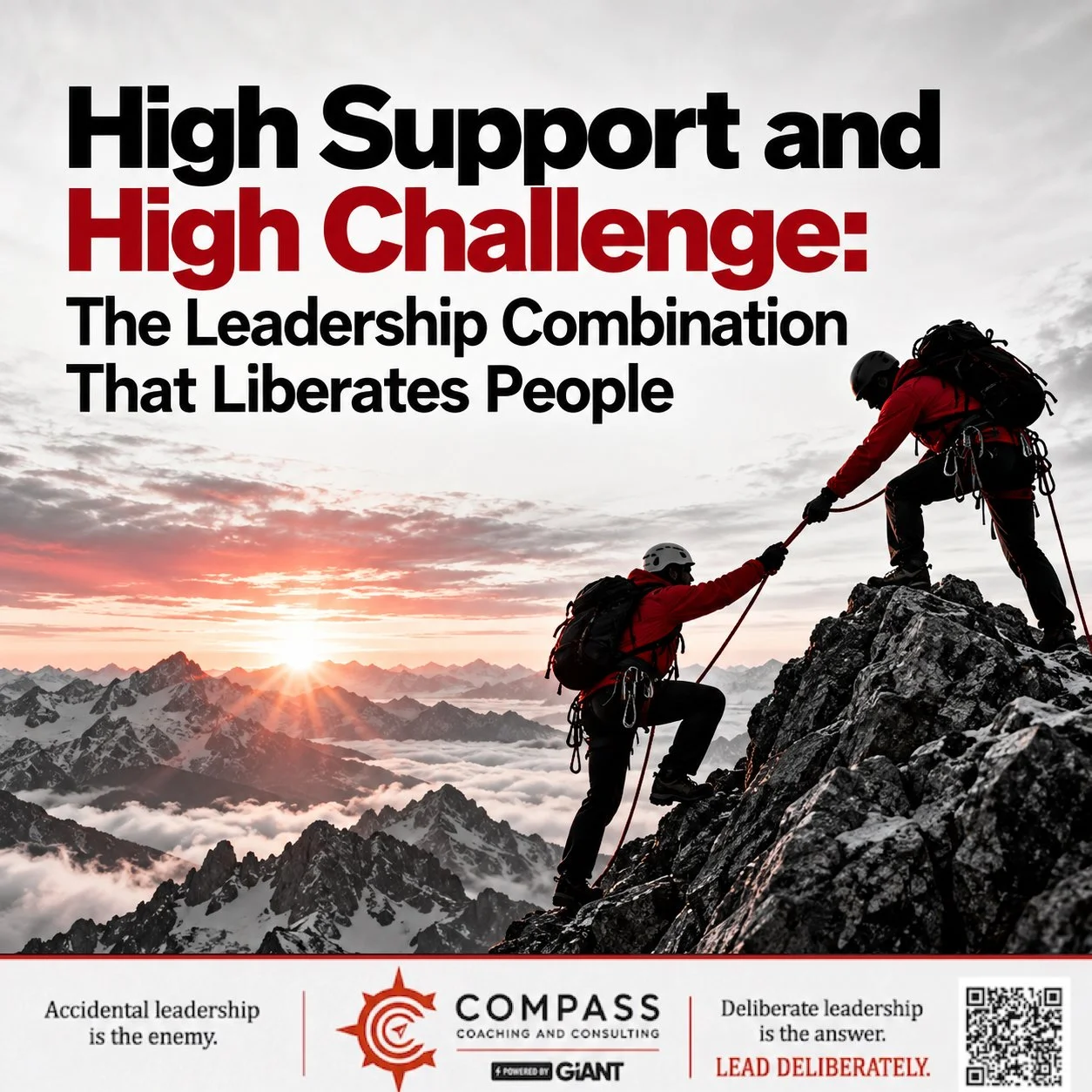
High Support and High Challenge: The Leadership Combination That Liberates People
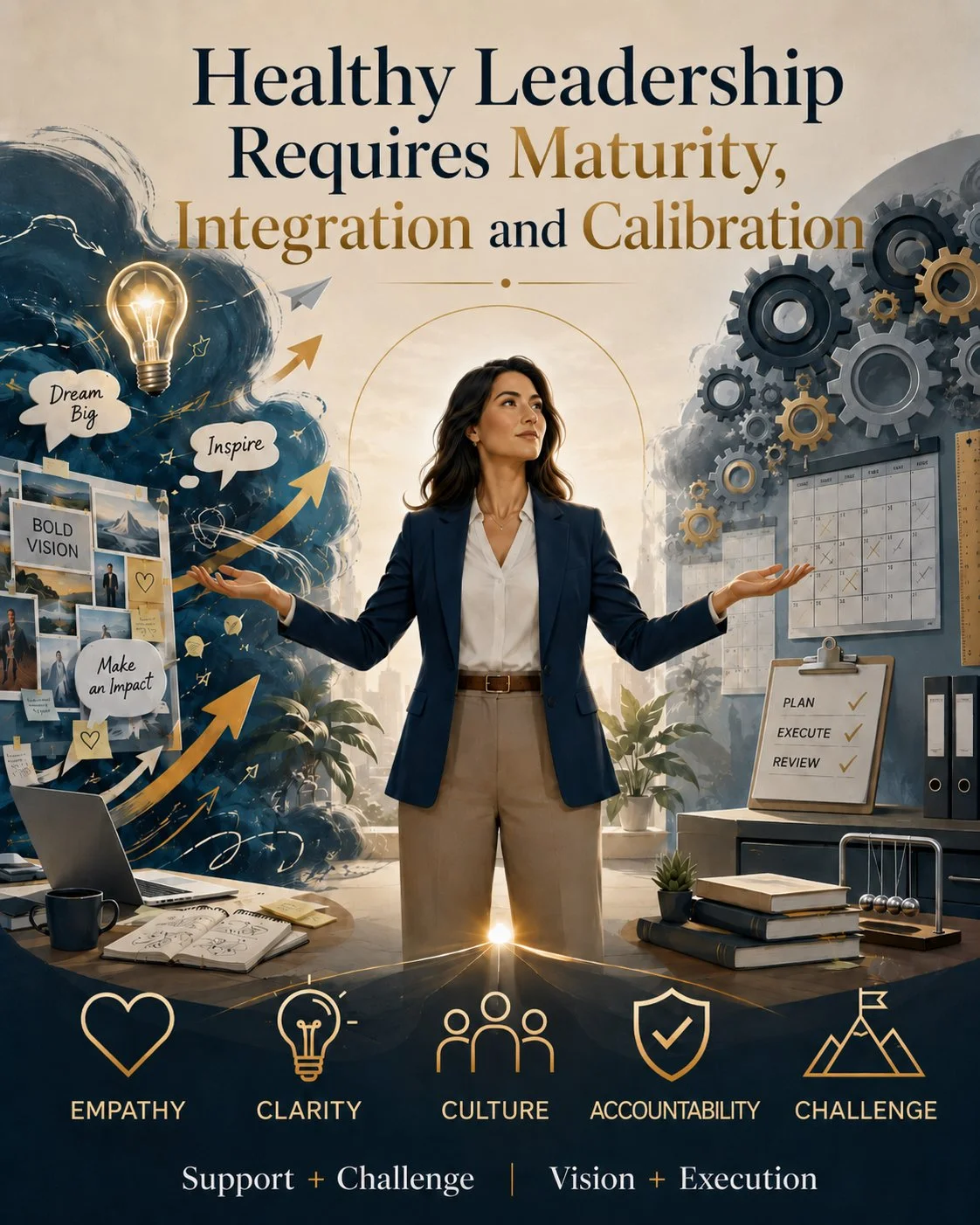
Great leadership requires both support and challenge. Support says, “I see you, I believe in you, and I will equip and encourage you.” Challenge says, “I will tell you the truth, hold you accountable, and expect you to do the work.” When leaders hold both together, people are not simply protected or pressured—they are liberated to grow.
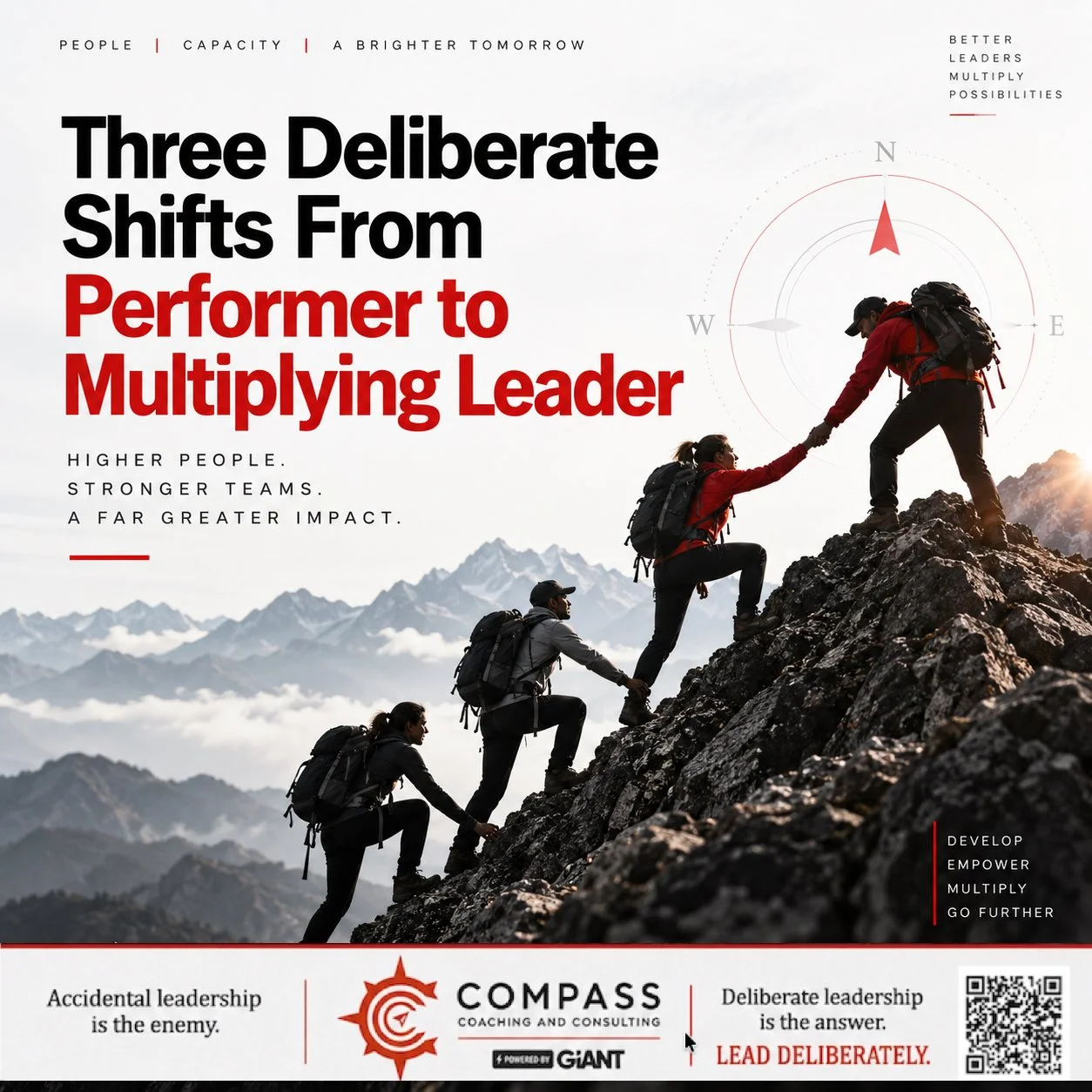
Three Deliberate Shifts From Performer to Multiplying Leader
The goal is not to become unnecessary. It is to stop making your personal contribution the team’s only reliable path to success. Multiplying leaders deliberately shift from producing results themselves to building capacity, developing problem-solvers, and creating healthy independence in the people they lead.
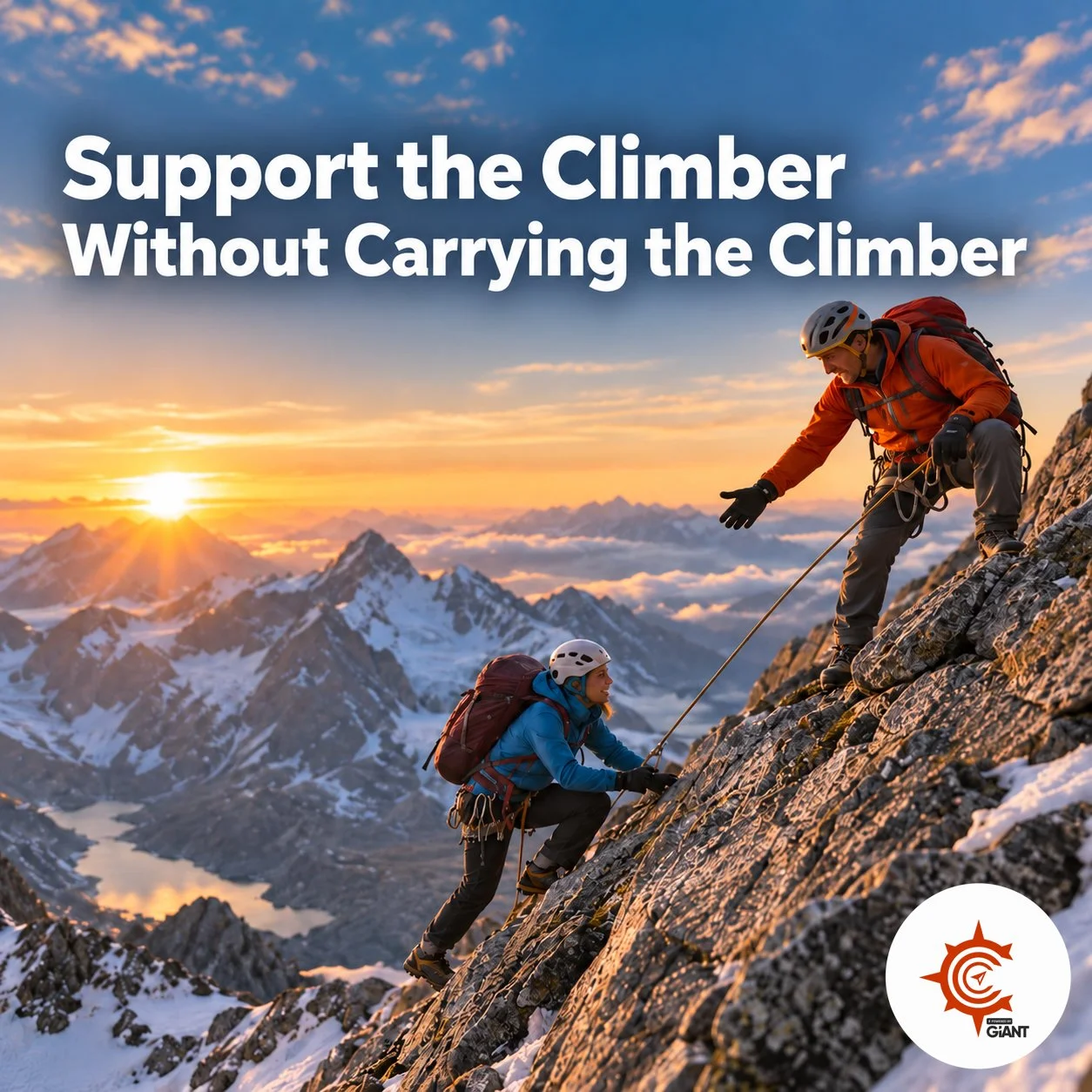
Stop Rescuing Your Team: Support the Climber Without Carrying the Climber
Rescuing your team may solve the problem faster today, but repeated rescue creates dependence tomorrow. Deliberate leaders provide the support, boundaries, and guidance people need—without taking the climb away from them.

The Leadership Identity Crisis: When Being the Expert Is No Longer the Job
The hardest part of becoming a healthy, multiplying leader may not be learning a new skill. It may be grieving an old definition of value.

Why Great Climbers Do Not Automatically Become Great Guides
Reaching the summit proves that you can climb. Leadership is revealed by whether other people become stronger, wiser, and more capable because you guided them.

From Climber to Guide: A Seven-Part Leadership Series
The skills that make someone a great performer do not automatically make them a great leader. From Climber to Guide is a seven-part series about shifting from solving every problem and carrying the work to developing people who can think, lead, and climb without depending on you.
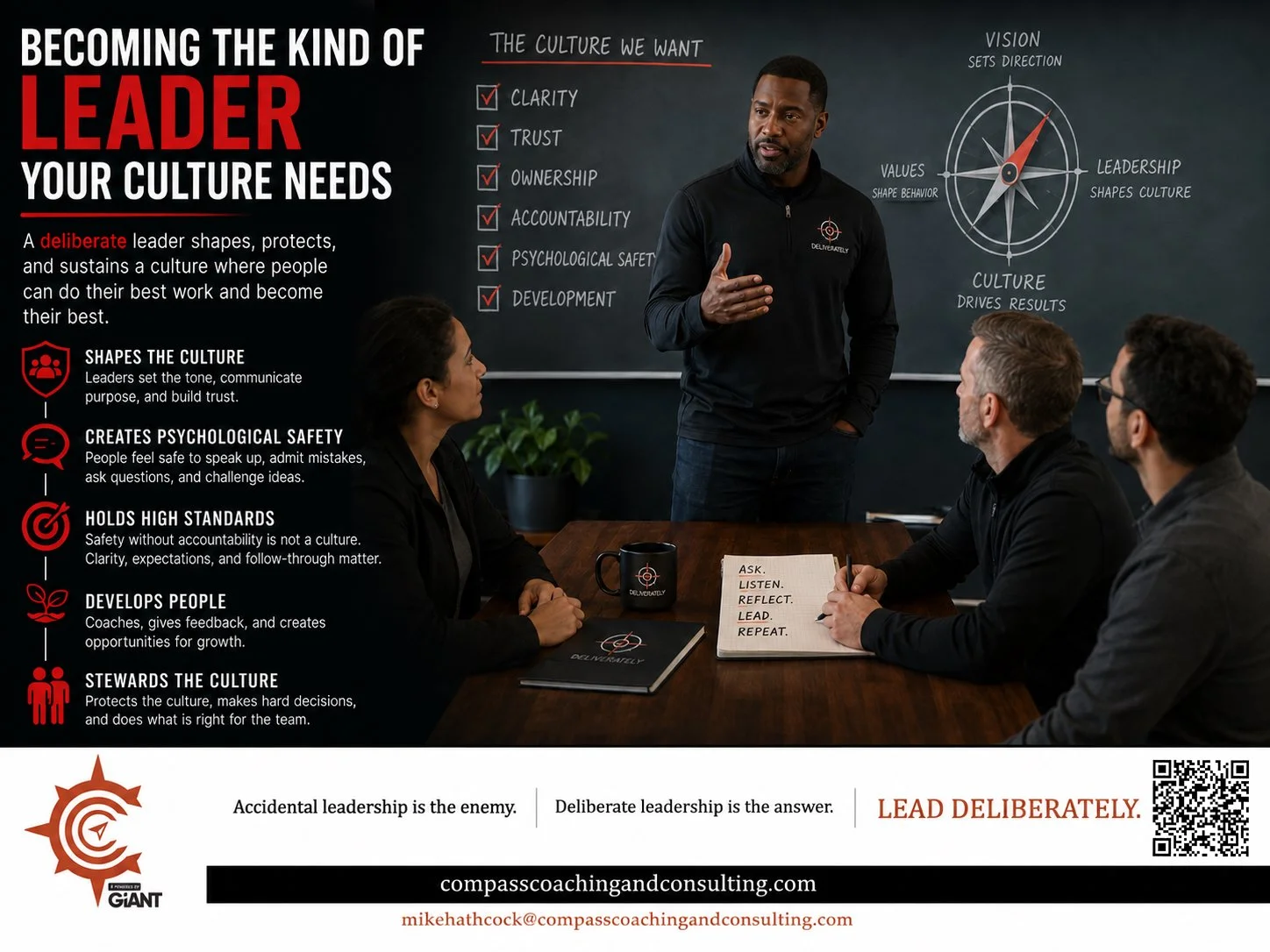
Becoming the Kind of Leader Your Culture Needs
Effective leadership is not about controlling every outcome. It is about becoming the kind of deliberate leader who shapes, protects, and sustains a culture of clarity, trust, accountability, psychological safety, and growth.
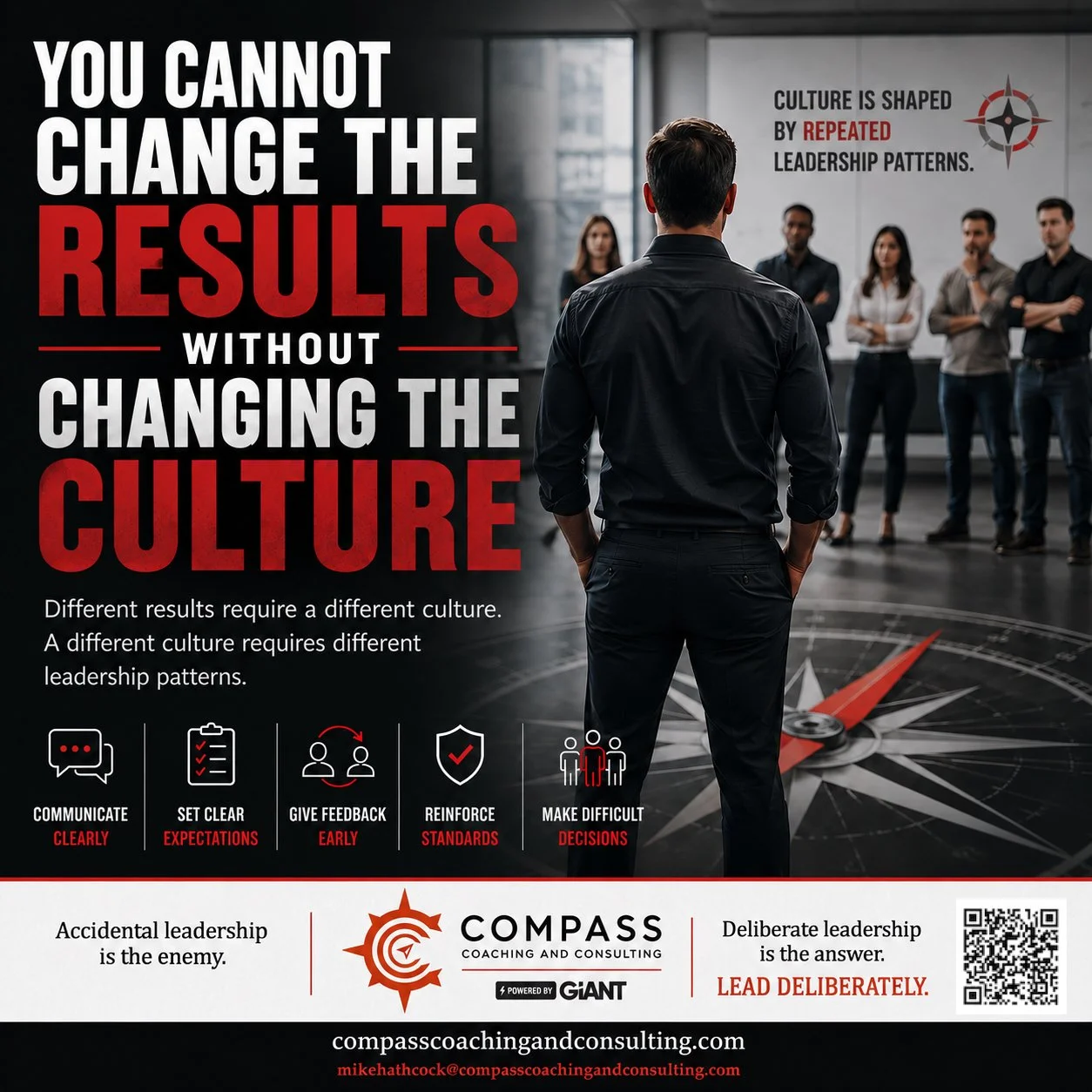
You Cannot Change the Results Without Changing the Culture
Leaders cannot expect different results while maintaining the same cultural patterns. Meaningful change requires clearer expectations, consistent feedback, greater accountability, and the courage to address behaviors that undermine the culture.

Before Blaming the People, Study the Culture
When a team is not performing as expected, the problem may be deeper than individual effort. Deliberate leaders examine the culture shaping behavior, ownership, clarity, and accountability—and take responsibility for creating and protecting an environment where people can thrive.
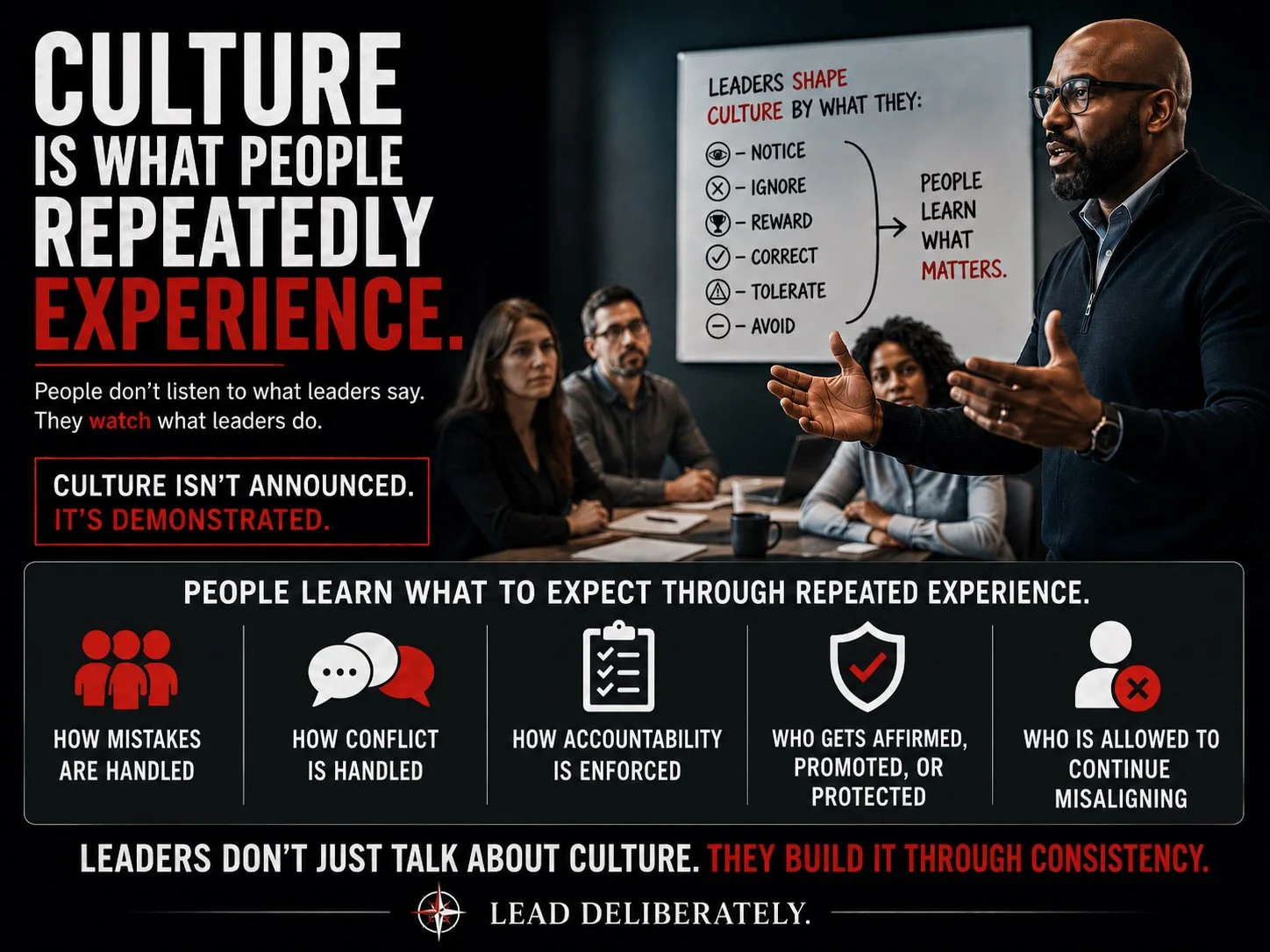
Culture Is What People Repeatedly Experience
Culture is not defined by what leaders announce. It is defined by what people repeatedly experience. People learn what matters by watching what leaders notice, ignore, reward, correct, tolerate, and avoid. This post explores how leadership behavior forms culture over time — and why deliberate leaders must pay attention to the experiences their people are learning to expect.
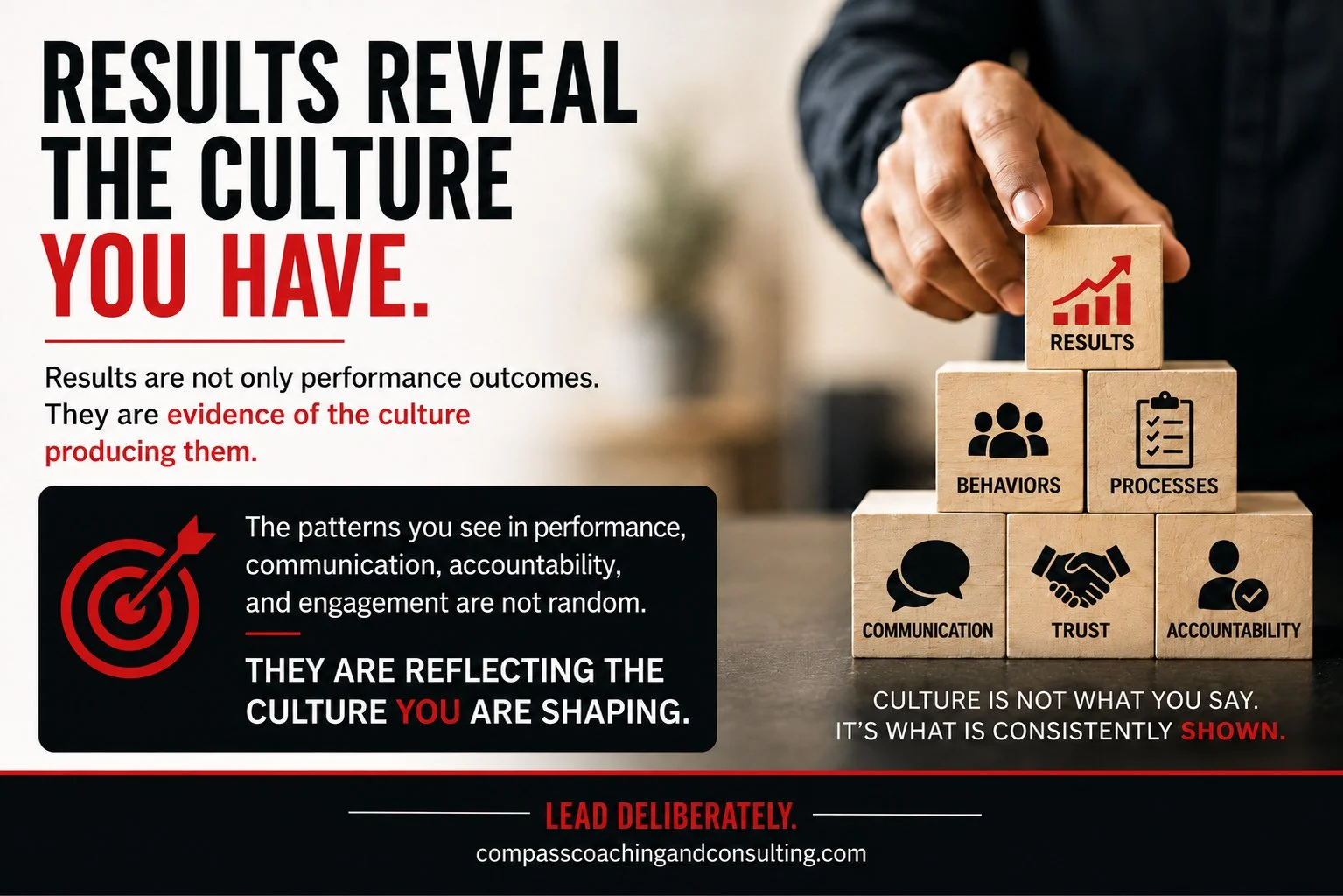
Results Reveal the Culture You Have
Results are not only performance outcomes. They are evidence of the culture producing them. When communication is poor, accountability feels weak, ownership is lacking, or performance is inconsistent, leaders have an opportunity to look beyond the visible symptoms and study the deeper cultural patterns. This post explores how results reveal the culture you have — and what that culture may be revealing about your leadership.
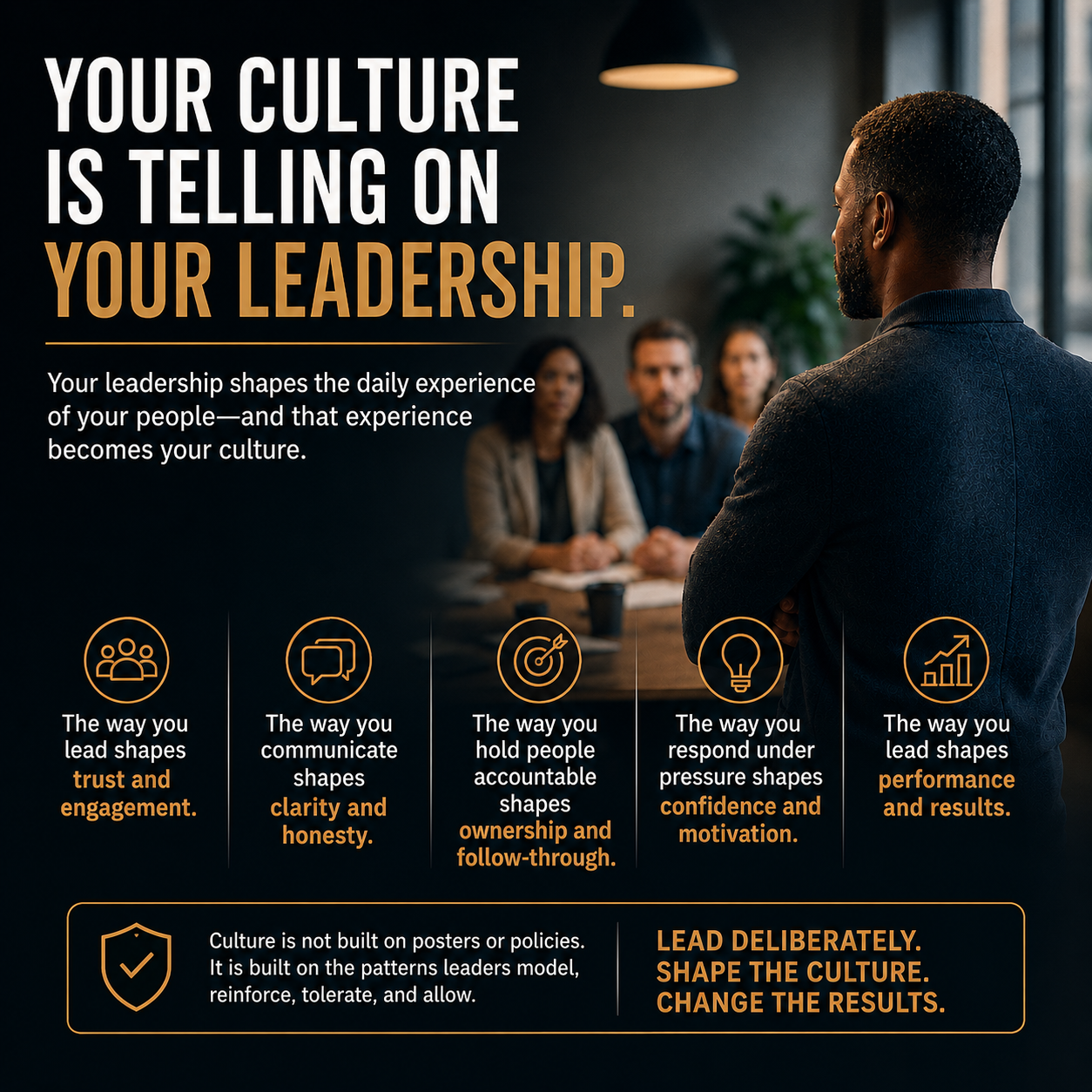
Your Culture Is Telling on Your Leadership
Your culture may be revealing more about your leadership than you realize. This post explores how leadership shapes trust, clarity, accountability, engagement, and performance — and why the culture around you is often the clearest evidence of what your leadership consistently models, reinforces, tolerates, and allows.

New Series The Results You’re Getting: What Your Culture Reveals About Your Leadership
Your results reveal your culture. Your culture reveals your leadership.
The way people communicate, take ownership, build trust, handle conflict, respond to accountability, and follow through is not random. It reflects the culture they are working within. And that culture is shaped most powerfully by leadership.
In this introductory post to The Results You’re Getting: What Your Culture Reveals About Your Leadership, we’ll begin exploring how a leader’s behaviors shape the climate, engagement, trust, clarity, motivation, accountability, and performance of the people they lead — and how more deliberate leadership can create healthier cultures and better results.
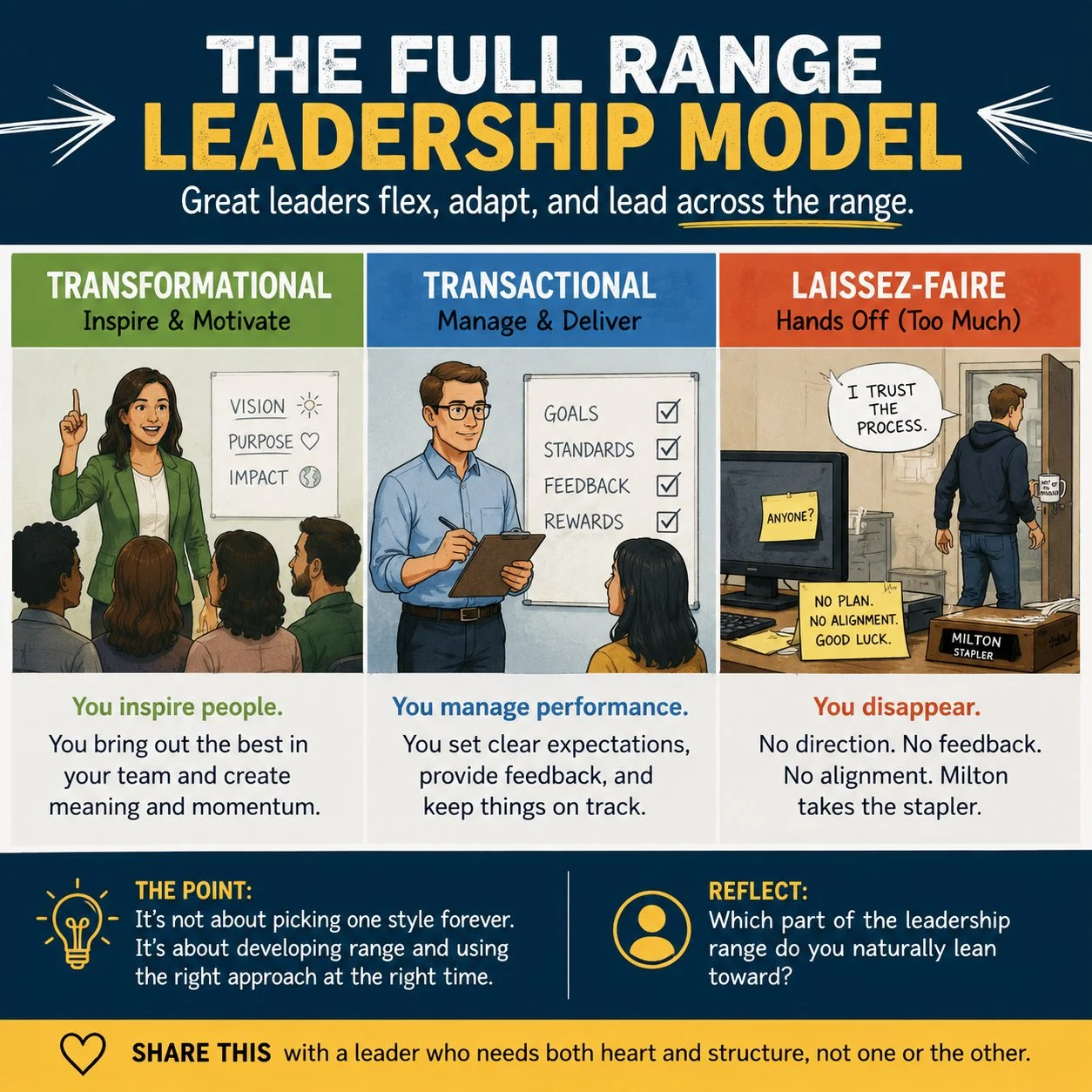
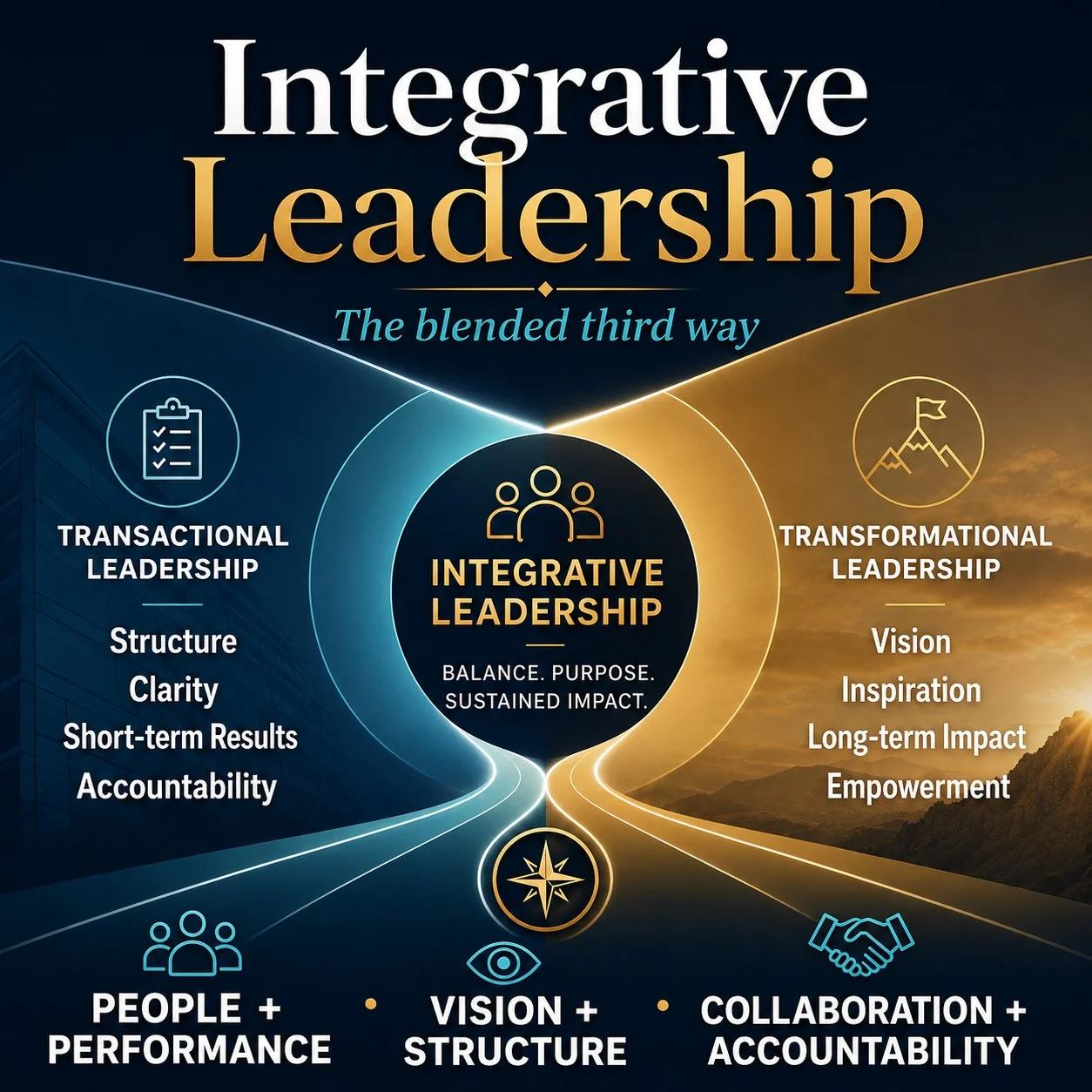
This blend fits inside something called the Full Range Leadership Model.
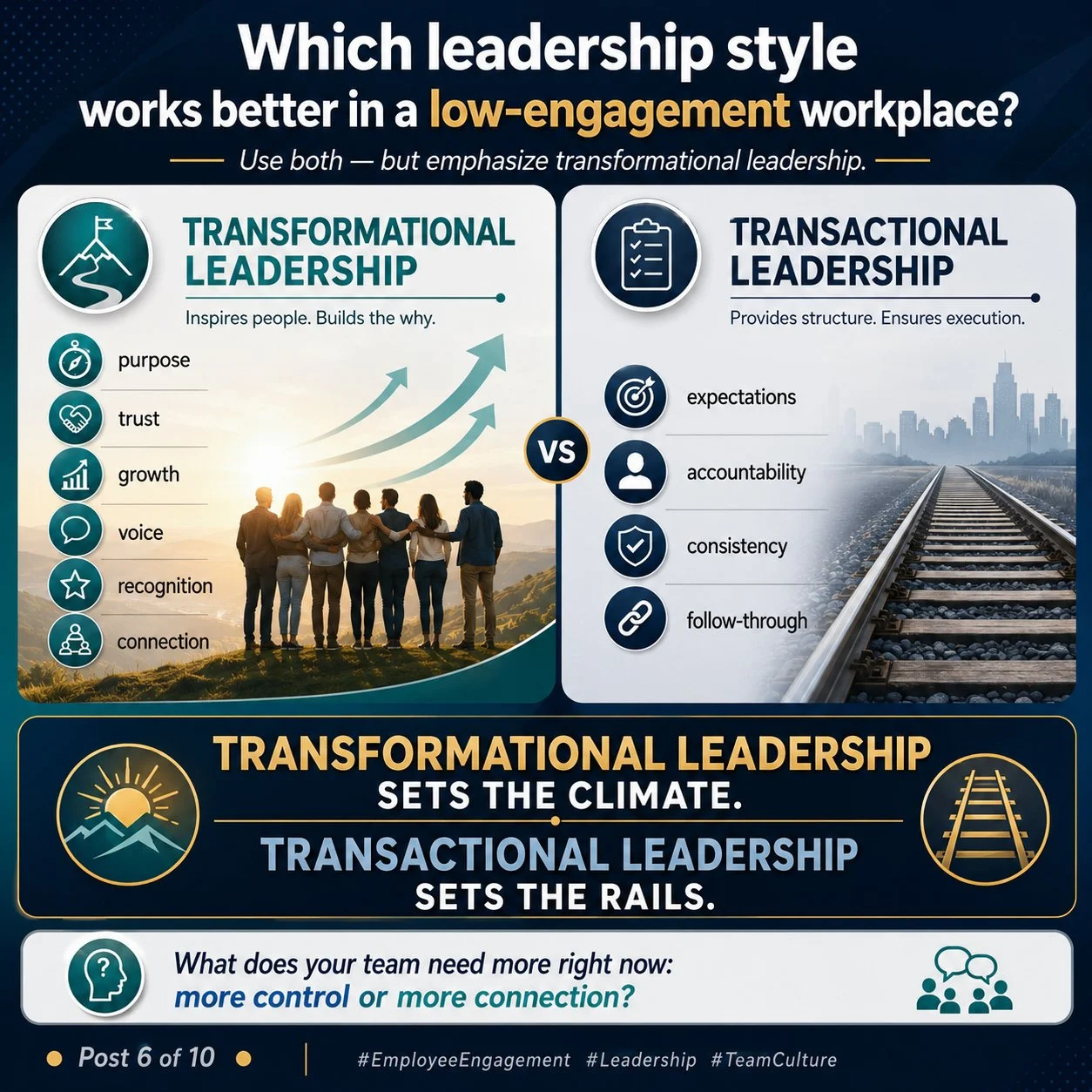
Post 8 of 10
This blend fits inside something called the Full Range Leadership Model.
That framework says leadership exists across a range:
transformational
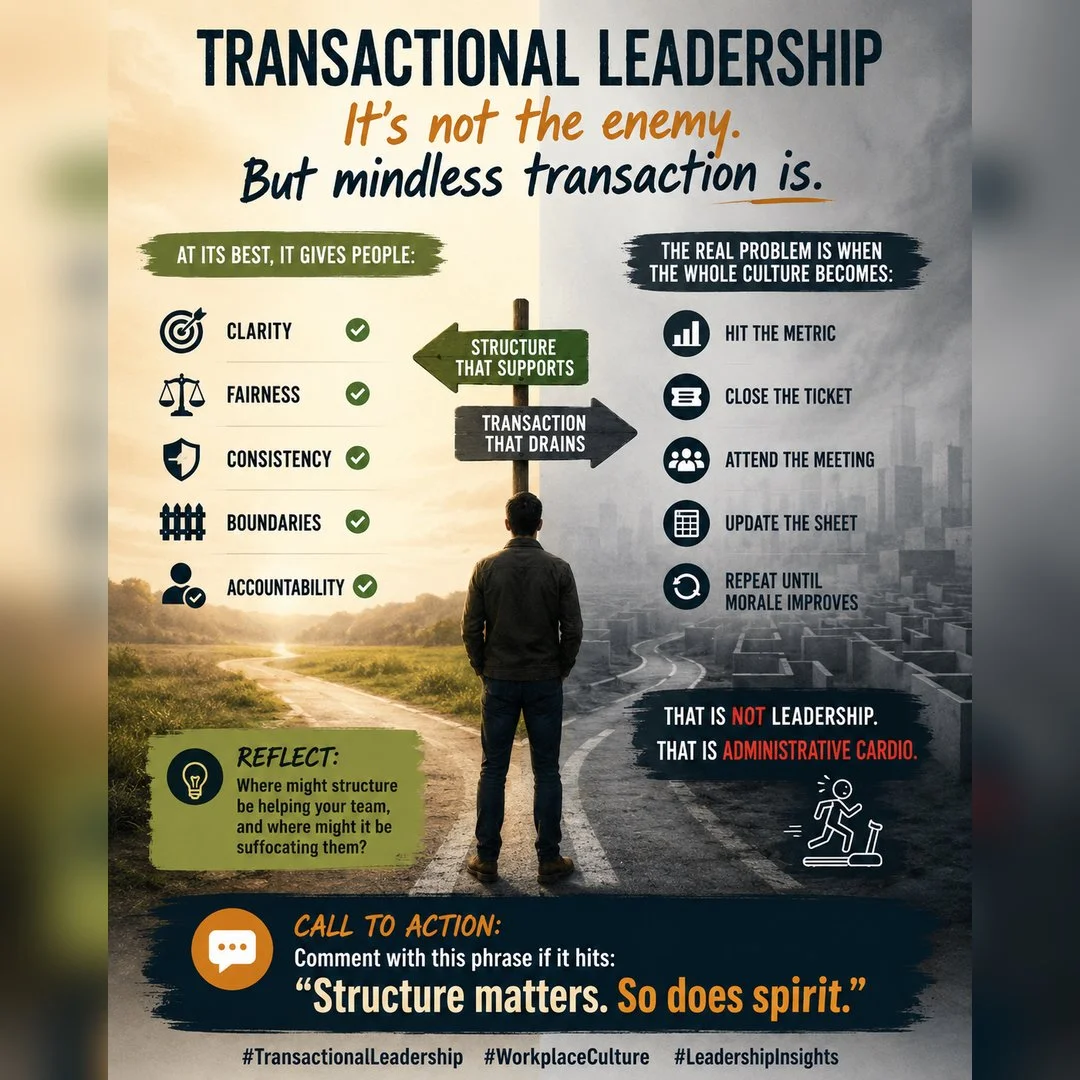
transactional
laissez-faire